Last year, the Government committed to the Young Futures initiative, promising to roll out hubs in every area with the intent to promote children and young people’s development, improve mental health and wellbeing, and to prevent young people from being drawn into crime.
With the #FundTheHubs campaign, we welcomed the commitment, having called for roll out of early support hubs in every local area since 2020, so all young people can access timely support and advice across all aspects of their lives.
Last week, the Prime Minister Keir Starmer announced the government will spend £2 million to set up and trial eight hubs for young people at risk of being drawn into violence by the end of this year. These hubs will be set up in areas with high levels of knife crime and antisocial behaviour, with around 50 to be launched over the next four years.
Together, alongside the Children and Young People’s Mental Health Coalition, the Centre for Mental Health, Mind, The Children’s Society, YoungMinds, Black Thrive and BACP, we expressed concern about the current approach to Young Futures Hubs.
The framing of hubs is crucial. Language holds the power to isolate and alienate young people even more than they already are. The emphasis on Young Futures Hubs as a crime prevention programme runs the risk of deterring young people from using them at all.
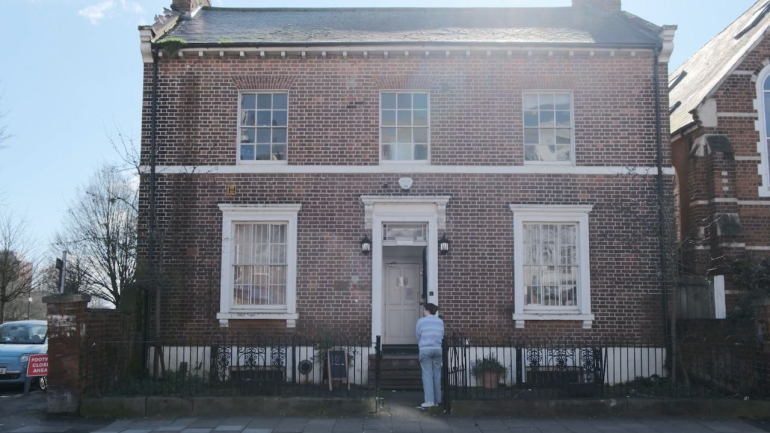
We know from our members’ work how important it is for hubs to be places that young people feel safe and listened to and places they want to be. Young people tell us that they value friendly, responsive, and non-judgemental practitioners, as well as individually tailored care. Young people want help in one place, with a range of support options, which we know can help to address the social determinants of mental health and wellbeing, such as financial insecurity, discrimination, and poor living conditions.
However, when the definition of hubs is narrowed, support risks being limited. We should aim for a ‘no wrong door’ commitment to ensure that access to hubs is not conditional based upon meeting a set criteria or threshold.
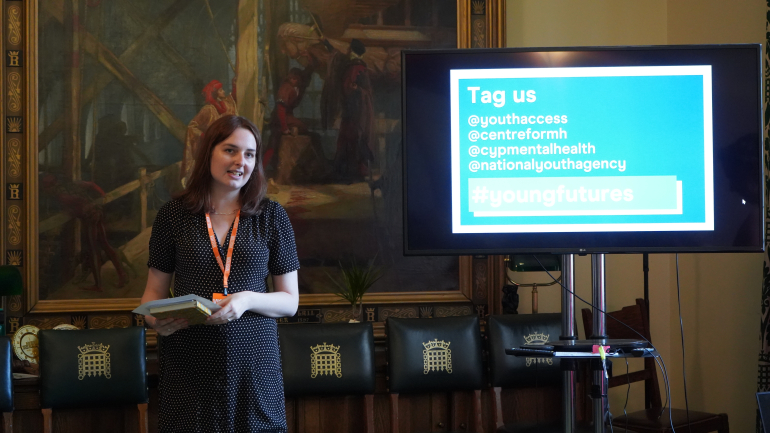
Targeting those ‘at risk’ ultimately runs the risk of deterring young people from engaging with hubs, with the use of negative labelling being incongruent with a strengths-based approach.
While we welcome the Government’s commitment to hubs bringing together ‘vital local services in the local community, providing support ranging from well-being and mental health to careers advice,’ we will continue to champion building on and consolidating the expertise of our members.
Considering this recent announcement, we call on the Government to follow the criteria for implementing Young Futures hubs, as set out in A Blueprint for Young Futures Hubs, to ensure that these hubs are responsive to young people’s individual needs and the needs of their local communities. Let’s build a future where every young person can get the help they need, when and where they need it - without stigma or restriction.